


Elibrary
Select category
  • Select category
  • Accounting
  • Gender
  • Governance
  • Publication
  • Report
  • Stories
  • Training Module
Login / Register
Sign inCreate an Account

Lost your password?

Menu
Menu
Elibrary
0 items $0.00
Categories
  • Livelihood
  • Gender
  • Health & Well-being
  • Education
  • Governance
  • DASCOH
  • Books
  • Publication
  • Report
  • About us
  • Contact us
Click to enlarge
Home Gender I myself went to see the Chairman
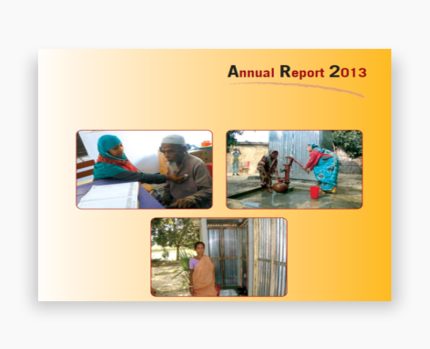
Annual Report 2013
Back to products
Book keeping & account management for UP -Bangla version

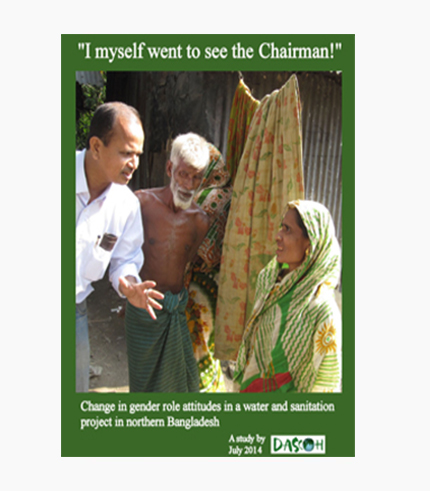
I myself went to see the Chairman

Rated 5.00 out of 5 based on 1 customer rating
(1 customer review)

Author: DASCOH

Language: English

Page: 51

Compare
Category: Gender
Share:
Close
YOU MAY ALSO LIKE…
  • Annual Report 2013
  • Tax Assessment of Union Parishad
  • ইউনিয়ন পরিষদের কর নিরূপণ
  • Report of Mid-Term Review-Public Health Improvement Initiative Rajshahi (PHIIR) Project
  • Description
  • Additional information
  • Reviews (1)
  • Read Book
Description

DASCOH – earlier known as Development Association for Self-reliance, Communication and Health (DASCOH) – is a Bangladeshi NGO focusing on improved water supply, sanitation and local government effectiveness. The Sustainable Solution for the Delivery of Safe Drinking Water Project (henceforth SDSD) is one of its long-running projects. Supported by the Swiss Agency for Development and Cooperation (SDC), DASCOH embarked on it in 2004, at first in the western region of the country. In March 2011 DASCOH started SDSD activities in the northern district of Sunamganj, one of the poorest areas in the country. It has since been active in 25 Unions (communes) in four of the currently eleven Upazila (sub-districts) of the district.

The SDSD works in close cooperation with the local government tier known as Union Parishad. It emphasizes water and sanitation as entry points to improving Parishad services. The collaboration is guided by the principles of social inclusiveness, gender equity, institutional and environmental sustainability as well as disaster risk reduction. SDSD field workers liaise with multiple actors of the WatSan realm – councils, local committees at the electoral-ward and village levels, contractors and maintenance workers, other NGOs, as well as with the interested consumer households.

This study is specifically concerned with the relationship between SDSD and gender equity. Gender equity concerns arise at several organizational levels. In the households affected by the project, access to improved facilities by men, women and children may impact traditional gender role attitudes and, concomitantly, the actual gendered division of labor and thus women’s and girl’s workloads. In the village community, successful WatSan improvements strengthen inter-household cooperation, give greater scope for women’s voice (such as in deliberations on siting new and maintaining existing facilities), and exert pressures for more equitable social control (such as by discouraging open defecation for all, by involving adults of both genders in facility maintenance). In ward committee and Union Parishad deliberations, women’s participation, together with the open-budget and open-procurement policies advocated by DASCOH, make for greater transparency and stronger focus on underserved segments of the community. Finally, DASCOH, by employing more women and encouraging communities to support more female volunteers, contributes to changing gender relationships by its own example.
Additional information
Author

DASCOH

Language

English

Page

51

Reviews (1)

1 review for I myself went to see the Chairman

  1. elibrary – September 17, 2024

    Rated 5 out of 5

    Very nice book

Add a review Cancel reply

Your email address will not be published. Required fields are marked *

Read Book

[dflip id=”15667″][/dflip]

Related products

Compare
Quick view
Read more

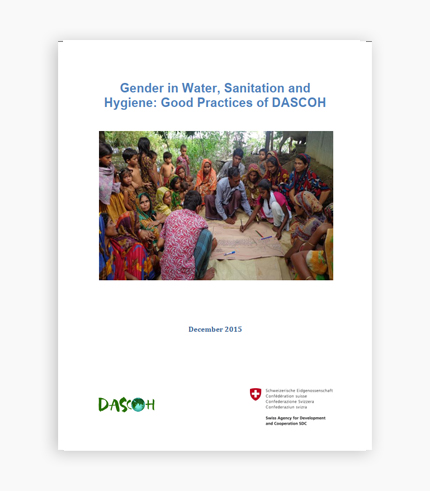
Gender in Water, Sanitation and Hygiene: Good Practices of DASCOH

Gender
Compare
Quick view
Read more

Participatory Gender Analytical Framework Exercise in Community Based Organization

Gender, Training Module
Compare
Quick view
Read more

ইউনিয়ন পরিষদ সদস্যদের অংশগ্রহনমূলক জেন্ডার বিশ্লেষন কাঠামো অনূশীলন

Gender, Training Module
Compare
Quick view
Read more

গ্রামভিত্তিক সংগঠনে অংশগ্রহণমূলক জেন্ডার বিশ্লেষণ কাঠামো অনুশীলন।

Gender, Training Module
Compare
Quick view
Read more

Participatory Gender Analytical Framework Exercise for UP Members

Gender, Training Module
e-library-logo-png

Our e-library offers instant access to a vast collection of digital books, journals, and resources. Explore a wide range of genres and subjects, anytime, anywhere, from the convenience of your device.

  • Lutheran Mission Complex, Dingadoba, Rajpara, Rajshahi-6201, Bangladesh
  • Phone: +88 02588850305
  • Email: info@dascoh.org
Recent Posts
  • books-blog-img-9
    Exploring Atlanta’s modern homes
    August 27, 2021 No Comments
  • books-blog-img-8
    Green interior design inspiration
    August 27, 2021 No Comments
Our stores
  • DASCOH
  • Report
  • Publication
  • Books
  • News
  • Project
2024 E-Library by DASCOH Foundation.
  • Menu
  • Categories
Set your categories menu in Header builder -> Mobile -> Mobile menu element -> Show/Hide -> Choose menu
  • DASCOH
  • Books
  • Publication
  • Report
  • About us
  • Contact us
  • Compare
  • Login / Register
Shopping cart
Close
Shop
Sidebar
0 items Cart
My account